
Private industrial estates have become an important part of India’s industrial infrastructure by offering modern facilities, strategic locations, and flexible business environments. Developed by private companies and real estate developers, these estates cater to businesses looking for well-planned industrial spaces with high-quality infrastructure and professional management.
Whether you are planning to establish a manufacturing unit, warehouse, logistics hub, or export-oriented business, this guide explains everything you need to know about private industrial estates in India.
Quick Overview
| Particular | Details |
| Purpose | Industrial development through private developers |
| Developed By | Private companies, industrial park developers, real estate firms |
| Suitable For | Manufacturing, Warehousing, Logistics, MSMEs, Large Industries |
| Infrastructure | Industrial plots, roads, power, water, drainage, security, internet |
| Ownership | Leasehold or Freehold (depends on the developer) |
| Available In | Major industrial states and cities across India |
| Industries | Automobile, Electronics, Engineering, Pharma, Food Processing, Logistics |
What is a Private Industrial Estate?
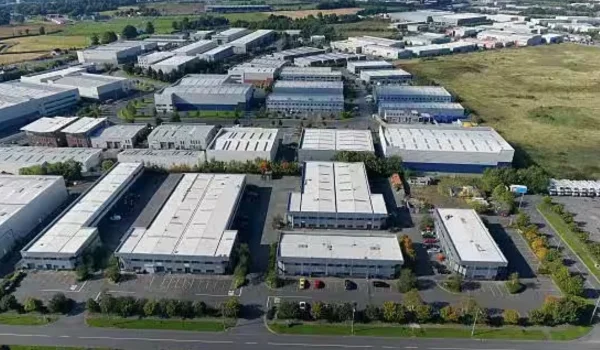
A private industrial estate is an industrial area developed, owned, and managed by a private company or developer instead of a government authority. These estates provide businesses with industrial land or ready-built factory spaces, along with essential infrastructure and support services.
Many private industrial estates are designed to meet modern manufacturing requirements by offering better planning, faster approvals, and advanced facilities.
Why Private Industrial Estates are Growing
Private industrial estates have gained popularity because they often provide:
- Faster project execution
- Modern infrastructure
- Flexible plot options
- Professional maintenance
- Better logistics planning
- Industry-focused facilities
- Integrated business ecosystems
As manufacturing and e-commerce continue to expand, many businesses prefer private estates for their operational efficiency and ease of doing business.
Key Features of Private Industrial Estates
Most private industrial estates offer:
- Developed industrial plots
- Ready-built factory sheds
- Wide internal roads
- Reliable electricity
- Water supply
- Underground drainage
- Street lighting
- CCTV surveillance
- 24×7 security
- Internet and telecom connectivity
- Parking facilities
- Green landscaping
- Common administrative buildings
- Fire safety infrastructure
- Warehousing facilities (in selected estates)
Facilities vary depending on the developer and project.
Benefits of Private Industrial Estates
Modern Infrastructure
Private developers often invest in high-quality infrastructure, making estates suitable for modern manufacturing and logistics operations.
Faster Possession
Compared to some government allotment processes, private estates may offer quicker possession of plots or factory spaces.
Flexible Property Options
Businesses may choose from:
- Industrial plots
- Ready-built factories
- Warehouses
- Built-to-suit facilities
- Industrial sheds
Professional Estate Management
Most private industrial estates provide dedicated maintenance teams for:
- Roads
- Security
- Landscaping
- Waste management
- Common utilities
Better Business Environment
Many estates are designed to accommodate multiple industries, creating opportunities for collaboration with suppliers, distributors, and service providers.
Industries Commonly Located in Private Industrial Estates
Private industrial estates support a wide range of sectors, including:
- Automobile components
- Electronics manufacturing
- Engineering
- Pharmaceuticals
- Food processing
- Textile and garments
- Packaging
- Plastic products
- Renewable energy equipment
- Warehousing
- E-commerce logistics
- Cold storage
- Export-oriented manufacturing
Popular Private Industrial Estate Developers in India
Several private companies have developed industrial estates, logistics parks, and integrated industrial townships across India.
Some well-known developers include:
- Mahindra Lifespaces
- ESR India
- IndoSpace
- Welspun One
- Horizon Industrial Parks
- Reliance Industries (selected industrial developments)
- Adani Group (industrial and logistics developments)
- Tata Realty & Infrastructure (selected industrial projects)
Each developer focuses on different types of industrial and logistics infrastructure.
How Private Industrial Estates Differ from Government Industrial Estates
| Private Industrial Estate | Government Industrial Estate |
| Developed by private companies | Developed by government agencies |
| Faster commercial decisions | Governed by public policies |
| Market-based pricing | Often subsidized pricing |
| Flexible commercial terms | Standard allotment procedures |
| Modern amenities | Infrastructure varies by authority |
| Professional facility management | Managed by government corporations |
Factors to Consider Before Choosing a Private Industrial Estate
Before purchasing or leasing industrial property, evaluate:
Location
Choose an estate with easy access to highways, ports, airports, and railway networks.
Infrastructure
Check the availability of:
- Electricity
- Water
- Drainage
- Internet
- Internal roads
- Security
Plot Size
Select a plot that accommodates both current operations and future expansion.
Legal Approvals
Ensure the project has all necessary approvals and complies with local development regulations.
Cost
Evaluate:
- Land price
- Lease charges
- Maintenance fees
- Utility costs
- Registration expenses
Industry Ecosystem
An estate with businesses from related industries can improve supply chain efficiency and reduce transportation costs.
Who Should Consider a Private Industrial Estate?
Private industrial estates are suitable for:
- Manufacturing companies
- MSMEs
- Export-oriented businesses
- Logistics operators
- Warehousing companies
- Food processing units
- Automobile component manufacturers
- Electronics manufacturers
- Pharmaceutical companies
- Startups requiring industrial infrastructure
Documents Commonly Required
Depending on the developer, applicants may need:
- Identity proof
- Address proof
- PAN card
- Company incorporation documents
- GST registration (if applicable)
- Business profile
- Financial details
- Project proposal
- Passport-size photographs
Document requirements may vary.
Challenges of Private Industrial Estates
While private industrial estates offer many advantages, businesses should also consider:
- Higher land prices in premium locations
- Maintenance charges
- Developer-specific policies
- Limited government incentives compared to some public estates
- Long-term lease conditions in certain projects
Proper due diligence before investing can help minimize risks.
Private Industrial Estates and MSMEs
Many private developers now offer smaller industrial plots and factory units suitable for MSMEs.
Benefits include:
- Ready infrastructure
- Faster setup
- Flexible leasing options
- Modern utilities
- Professional maintenance
These features allow small businesses to begin operations with less time spent on infrastructure development.
Future of Private Industrial Estates in India
The demand for private industrial estates is expected to increase as India expands its manufacturing and logistics capabilities.
Future developments are likely to focus on:
- Smart industrial infrastructure
- Green industrial parks
- Sustainable construction
- Renewable energy integration
- Plug-and-play factory spaces
- Digital estate management
- Advanced logistics connectivity
These improvements support the growing needs of domestic manufacturers and global investors.
Frequently Asked Questions
What is a private industrial estate?
A private industrial estate is an industrial area developed and managed by a private company that provides industrial plots, factory spaces, and infrastructure for businesses.
Are private industrial estates suitable for MSMEs?
Yes. Many private industrial estates offer industrial plots and factory spaces specifically designed for MSMEs and small manufacturing businesses.
Can businesses buy industrial plots in private estates?
Depending on the developer, industrial properties may be available for sale, long-term lease, or rental.
Are private industrial estates better than government industrial estates?
Both have advantages. Government estates may offer lower land costs and policy incentives, while private estates often provide modern infrastructure, faster possession, and professional management.
Which industries operate in private industrial estates?
Manufacturing, engineering, electronics, pharmaceuticals, logistics, warehousing, food processing, packaging, textiles, and many other industries commonly operate in private industrial estates.
Conclusion
Private industrial estates have become a preferred choice for businesses seeking modern infrastructure, efficient management, and strategic industrial locations. By offering well-planned industrial spaces, flexible property options, and professional maintenance, these estates support businesses across manufacturing, logistics, and export-oriented sectors.
Whether you are launching a new factory or expanding your industrial operations, evaluating factors such as location, infrastructure, legal approvals, and long-term costs will help you choose the right private industrial estate for your business objectives.





Leave a Reply